


Electrical muscle stimulation (EMS) is a therapeutic technique that uses electrical impulses to trigger involuntary muscle contractions, directly reducing stiffness and improving mobility through enhanced circulation and muscle activation. Understanding how EMS relieves muscle stiffness matters because stiff muscles respond differently than sore ones. The tension comes from restricted blood flow, metabolic waste buildup, and underused muscle fibers. EMS addresses all three at once. Unlike heat packs or massage, EMS creates a rhythmic pumping action inside the muscle tissue itself, making it one of the most direct methods for breaking the cycle of chronic tightness.
How EMS relieves muscle stiffness: the core mechanism
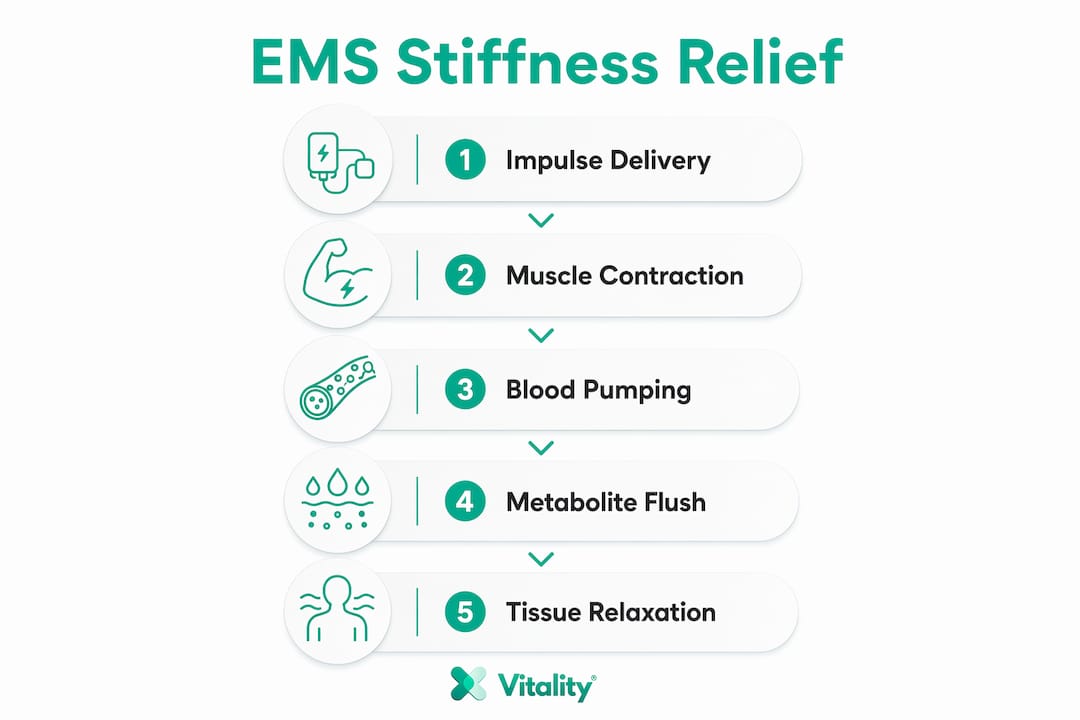
EMS works by delivering low-level electrical impulses through electrode pads placed on the skin. Those impulses travel to the motor nerves and cause the muscle to contract, then relax, in a controlled rhythm. The body cannot distinguish this contraction from a voluntary one. That means EMS produces real physiological effects without requiring you to move.
The key to stiffness relief lies in what happens during those contractions. Fast-twitch fiber activation creates a pumping effect that pushes blood and lymphatic fluid through the tissue. Stiff muscles are often starved of oxygen and loaded with inflammatory byproducts like lactic acid. The rhythmic contraction flushes those waste products out and draws fresh, oxygenated blood in.
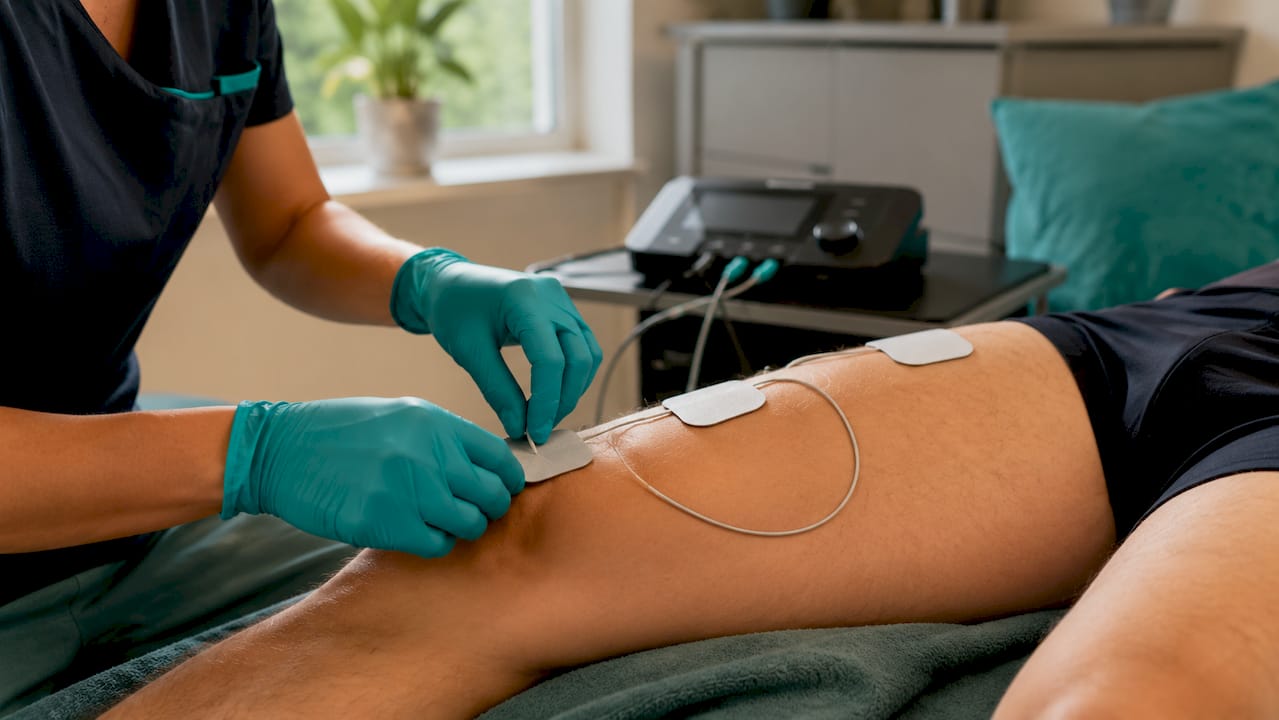
Clinical bodies recognize EMS as a form of passive exercise. This is especially relevant when active movement is limited by pain, injury, or post-surgical recovery. The muscle gets the circulatory benefit of movement without the joint stress.
Pro Tip: Place EMS electrodes directly over the stiffest area, not just near it. The contraction needs to occur at the site of tension for the pump effect to work.
What does the science say about EMS for muscle stiffness?
Research on EMS outcomes is specific and worth knowing. Consistent EMS use three times weekly over five to six weeks improves muscle function by 10–15% and increases muscle mass by about 1%. That functional improvement reflects better fiber recruitment, not just temporary relief. Muscles that contract more efficiently stay looser between sessions.
For people dealing with myofascial pain syndrome, a condition defined by chronic muscle knots and referred pain, the picture is more nuanced. EMS combined with self-therapy produces a mean pain reduction of 1.15 points on an 11-point scale. That number is modest. It may not reach what researchers call the minimal clinically important difference. But for people who have tried everything else, even a consistent, repeatable reduction in tension is meaningful.
Clinical guidelines point to specific session parameters that produce results without causing harm:
- Frequency: 1–10 Hz, which produces slow, rhythmic contractions ideal for stiffness relief
- Session length: 20–30 minutes per targeted area
- Intensity goal: Visible muscle twitch, not a powerful or painful contraction
- Frequency of use: Three sessions per week for at least five to six weeks to see functional gains
These parameters matter because many people assume more intensity means faster results. The opposite is true for stiffness. Lower frequencies produce the slow-twitch style contractions that improve circulation without fatiguing the muscle.
How does EMS compare to TENS and other therapies?
EMS and TENS are often confused, but they work through entirely different mechanisms. EMS stimulates muscle contractions while TENS blocks pain signals at the nerve level. TENS produces no visible muscle movement. EMS produces a clear, rhythmic twitch. Using EMS when you expect TENS-style pain relief can cause discomfort because the muscle is actually working.
The distinction matters practically. TENS is better for acute pain management. EMS is better for stiffness caused by poor circulation, muscle inhibition, or chronic tension. The two are not interchangeable.
EMS also compares favorably to heat therapy for stiffness linked to injury or edema. Heat increases surface circulation but does not create the mechanical pump effect that clears inflammatory waste from deep tissue. EMS reduces edema through rhythmic muscle pumping, making it more effective than heat alone when swelling contributes to stiffness.
Massage produces similar circulatory benefits, but EMS can sustain the pumping action for a full 20–30 minutes with consistent rhythm. Manual massage varies in pressure and coverage. EMS delivers uniform stimulation across the electrode placement zone for the entire session.
| Therapy | Primary mechanism | Produces muscle contraction | Best for |
|---|---|---|---|
| EMS | Motor nerve stimulation | Yes | Stiffness, weakness, edema |
| TENS | Sensory nerve inhibition | No | Acute pain management |
| Heat therapy | Surface vasodilation | No | Mild tension, relaxation |
| Massage | Manual pressure | No | General circulation, stress |
Pro Tip: If you have both stiffness and pain, use TENS first to reduce the pain signal, then follow with EMS to address the underlying muscle tension. The two therapies complement each other when sequenced correctly.
What are best practices for using EMS safely and effectively?
Getting the most from EMS for relieving muscle tension requires attention to four variables: frequency, intensity, session length, and integration with movement.
-
Set frequency to 1–10 Hz. Low-frequency EMS settings for 20–30 minutes prevent muscle overtraining and produce the slow contractions that improve circulation without causing delayed onset muscle soreness (DOMS). Higher frequencies are used for strength training, not stiffness relief.
-
Target visible twitch, not maximum contraction. The goal is a gentle, rhythmic movement of the muscle. If the contraction feels forceful or causes cramping, reduce the intensity. Overstimulation fatigues the muscle and can worsen stiffness the following day.
-
Combine EMS with gentle movement. EMS works best as an adjunct to active movement or physical therapy. After a session, perform light stretching or range-of-motion exercises while the muscle is warm and circulation is elevated. This is when the tissue is most receptive to lengthening.
-
Maintain consistency over intensity. Three sessions per week over five to six weeks produces measurable functional improvement. Sporadic high-intensity sessions do not. Think of EMS like a physical therapy program, not a one-time treatment.
-
Avoid EMS over broken skin, metal implants, or the carotid artery. These are standard contraindications. Always place electrodes on intact muscle belly tissue, not directly over joints or bony prominences.
The most common mistake people make is treating EMS as a passive fix. It works best when paired with intentional movement. The electrical stimulation prepares the muscle. The movement consolidates the benefit.
What role does EMS play in rehabilitation and self-therapy?
EMS has a well-established role in clinical rehabilitation, particularly for people recovering from surgery, injury, or prolonged immobilization. When a limb is immobilized, muscles atrophy quickly. EMS maintains muscle fiber recruitment and circulation during that period, slowing the rate of functional decline.
For chronic muscle stiffness outside of acute injury, EMS fits naturally into a self-therapy routine. Research on EMS and self-physiotherapy for myofascial pain syndrome shows that home-based protocols combining EMS with active stretching produce consistent, repeatable relief. The key word is “combining.” EMS alone reduces tension temporarily. EMS plus movement produces lasting structural change.
The limitations of EMS are worth stating clearly:
- EMS does not fix the root cause of chronic stiffness if that cause is postural, behavioral, or structural
- EMS provides short-term relief without movement integration, but lacks lasting benefits on its own
- EMS is not a replacement for physical therapy when rehabilitation is clinically indicated
- People with pacemakers, epilepsy, or active cancer should not use EMS without physician clearance
For neck and shoulder stiffness specifically, the relationship between blood flow and lymphatic drainage in that region makes EMS particularly effective. The cervical muscles are dense and frequently overloaded by poor posture. EMS reaches the deeper fibers that stretching alone cannot fully address.
Key Takeaways
EMS relieves muscle stiffness by triggering rhythmic contractions that flush metabolic waste, improve circulation, and reactivate inhibited muscle fibers, making it one of the most direct passive therapies available.
| Point | Details |
|---|---|
| Core mechanism | EMS triggers involuntary contractions that pump blood and clear inflammatory waste from stiff tissue. |
| Clinical evidence | Three sessions weekly for five to six weeks improves muscle function by 10–15% and muscle mass by 1%. |
| EMS vs. TENS | EMS produces visible muscle contractions for stiffness relief; TENS blocks pain signals with no muscle movement. |
| Optimal settings | Use 1–10 Hz for 20–30 minutes per session, targeting a visible twitch rather than a forceful contraction. |
| Best results | Combine EMS with active stretching or movement immediately after each session for lasting structural benefit. |
My take on EMS after years of watching people misuse it
Most people who try EMS and give up do so because they turned the intensity too high on the first session. They felt soreness the next day and concluded EMS made things worse. That is not an EMS failure. That is a dosing error.
The research is clear that low-frequency, moderate-intensity sessions produce the best outcomes for stiffness. But the instinct to push harder is strong, especially when you are frustrated by chronic tension that has not responded to anything else. The counterintuitive truth is that the gentlest EMS settings are the most therapeutic for stiffness. A barely visible twitch, sustained for 20 minutes, does more for circulation and tissue health than a powerful contraction held for five.
The second thing I have seen consistently is people using EMS in isolation. They put the device on, sit still for 30 minutes, and expect the stiffness to resolve. It helps. But the real benefit comes when you use EMS to prepare the muscle, then move. Stretch the neck after the session. Do shoulder rolls. Walk. The EMS opens the door. Movement walks through it.
EMS is not a cure. It is a tool. Used correctly, with consistent frequency and paired with intentional movement, it is one of the most effective passive therapies for chronic muscle stiffness available without a prescription.
— Achraf
Vitalitytherapy’s approach to EMS-based stiffness relief
Vitalitytherapy built the MagicPro 2.0 and MagicPro 3.0 around the same clinical principles this article covers: low-frequency EMS, heat, and massage combined in one device designed for daily use. The devices are doctor-recommended and designed to deliver relief in 15 minutes per day, which fits the research-backed model of consistent, moderate-intensity sessions.
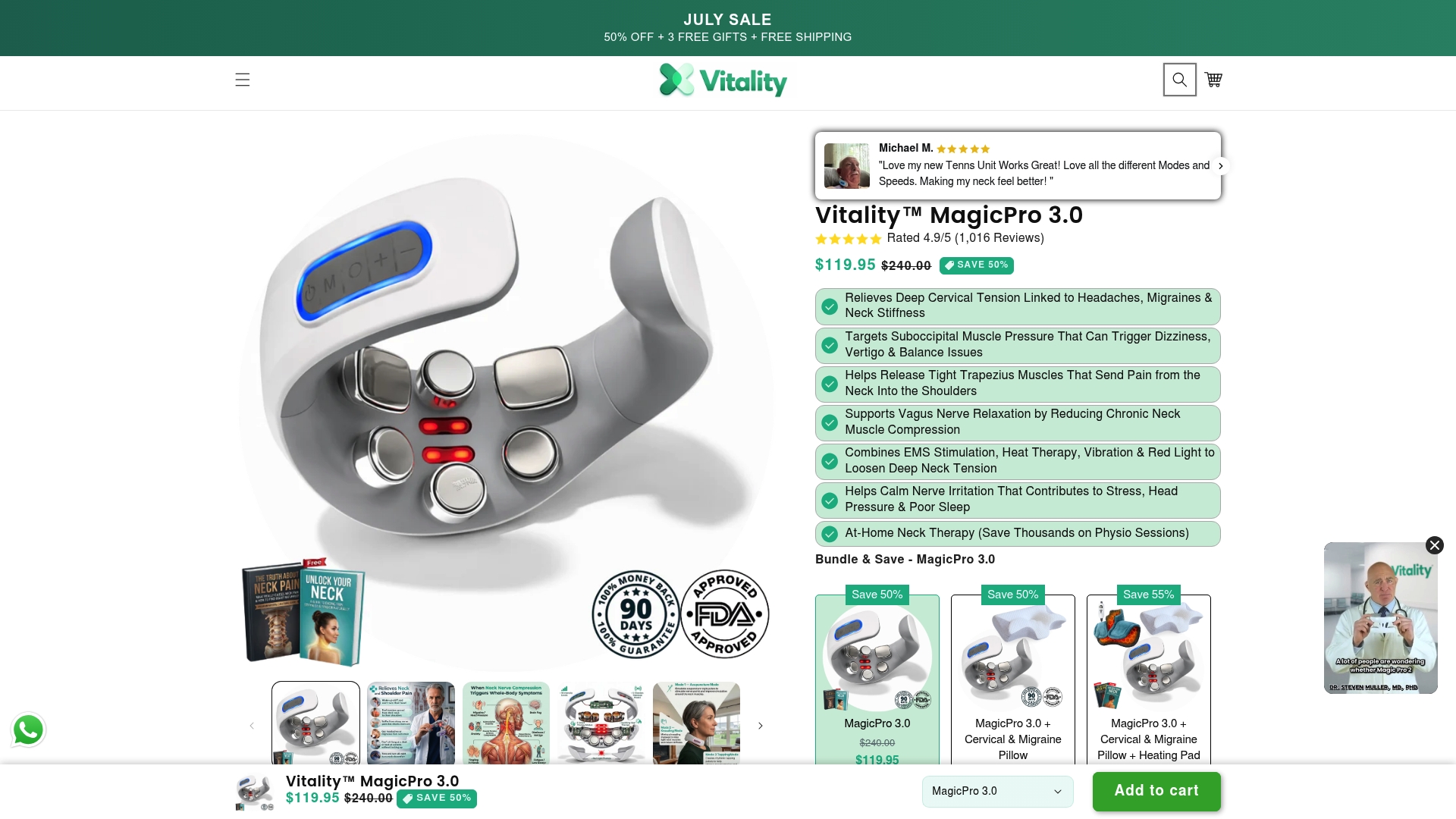
The MagicPro 3.0 targets the cervical muscles specifically, the area most affected by postural stiffness and chronic neck tension. It combines EMS with heat therapy to address both the deep muscle fibers and the surface circulation simultaneously. For people who want a structured, portable self-therapy option that aligns with clinical EMS guidelines, the full neck and nerve relief collection at Vitalitytherapy offers a range of devices suited to different needs and budgets.
FAQ
How does EMS relieve muscle stiffness?
EMS delivers electrical impulses that cause rhythmic muscle contractions, which flush metabolic waste, improve circulation, and reactivate inhibited muscle fibers. This pump effect directly addresses the circulatory restriction that causes most chronic muscle stiffness.
How often should I use EMS for stiffness relief?
Clinical guidelines recommend three sessions per week for five to six weeks. Each session should run 20–30 minutes at a low frequency of 1–10 Hz, targeting a visible muscle twitch rather than a strong contraction.
What is the difference between EMS and TENS?
EMS stimulates motor nerves to produce visible muscle contractions, making it effective for stiffness and weakness. TENS targets sensory nerves to block pain signals and produces no muscle movement at all.
Can EMS make muscle stiffness worse?
EMS can cause soreness if the intensity is set too high. Keeping sessions at low frequency with moderate intensity prevents delayed onset muscle soreness and produces better stiffness relief than high-intensity settings.
Is EMS effective for neck and shoulder stiffness?
EMS is particularly effective for cervical and shoulder muscles because those areas are dense, frequently overloaded by posture, and respond well to the pump effect that EMS creates in deep tissue. Combining EMS with gentle neck stretches after each session improves results significantly.