

Massage therapy reduces tension by physically relaxing muscles, improving circulation, and activating neurological pathways that calm the nervous system. A 2026 systematic review covering 88 studies and 5,524 participants found that manual therapy produces a 4.20 beats per minute reduction in heart rate and a 3.91 mmHg drop in blood pressure. Those numbers reflect real physiological change, not just a feeling of relaxation. Understanding how massage therapy reduces tension at the mechanical and neurological level gives you a clearer picture of why it works and how to get the most from it.
How does massage therapy reduce tension in muscles?
Massage reduces muscle tension through three overlapping physical processes: increased blood flow, elevated tissue temperature, and the mechanical breakdown of adhesions. Each one builds on the other to produce lasting relief.
Blood flow is the foundation. When a therapist applies pressure to soft tissue, local circulation increases. That surge delivers oxygen to fatigued muscle fibers and flushes out metabolic waste products like lactic acid. Accumulated waste is a primary driver of that familiar aching tightness after prolonged sitting or stress.

Heat follows pressure. Friction from massage strokes raises the temperature of the tissue beneath the skin. Warmer tissue is more pliable, which means the muscle fibers and surrounding fascia stretch more easily. This is the same principle behind warming up before exercise, applied directly to the problem area.
The third mechanism targets muscle knots directly. Sustained pressure on a trigger point disrupts the locked contraction cycle within a small cluster of muscle fibers. Massage also influences two sensory receptors in muscle tissue: the muscle spindle, which monitors stretch, and the Golgi tendon organ, which monitors tension load. Stimulating the Golgi tendon organ signals the muscle to release, reducing overall muscle tone.
Physiological effects of massage therapy
| Effect | Measured change |
|---|---|
| Heart rate | Reduced by 4.20 beats per minute |
| Blood pressure | Decreased by 3.91 mmHg |
| Sleep quality score | Improved by 4.06 points |
| Tissue pliability | Increased via local temperature rise |
| Muscle tone | Reduced through Golgi tendon organ stimulation |
Pro Tip: Apply a warm compress to the target area for five minutes before a massage session. Pre-warming the tissue amplifies the circulation response and makes pressure more comfortable from the first stroke.
How does massage affect the nervous system and pain signals?
Massage does more than relax muscle fibers. It changes how the nervous system processes pain and stress. Three neurological mechanisms explain this effect.
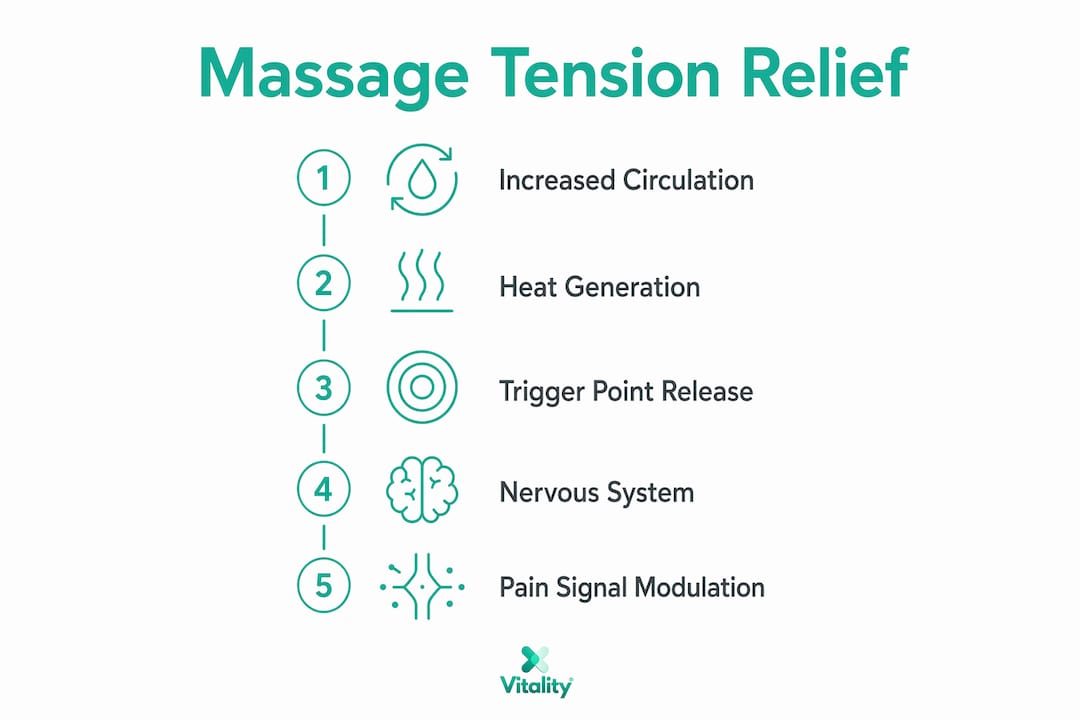
The first is parasympathetic activation. The parasympathetic nervous system governs the body’s rest and recovery state. Massage shifts the body out of the “fight-or-flight” sympathetic state and into what researchers call the “ventral vagal” relaxation state. Oxytocin, a hormone associated with bonding and calm, plays a key role in this shift by modulating spinal circuits that control muscle tension. When the nervous system settles, the muscles it governs tend to follow.
The second mechanism is Gate Control Theory. Pressure applied during massage travels along large, fast nerve fibers. Those signals reach the spinal cord before slower pain signals can pass through. The result is that pain transmission is blocked at the spinal gate, producing immediate relief. This is why firm pressure on a sore spot often feels better than light touch.
The third mechanism involves endorphin release. Physical contact and pressure stimulate the brain to release endorphins, the body’s natural pain modulators. Endorphins reduce the perception of both pain and stress, which is why people often feel a mood lift after a session.
Key neurological effects of massage therapy:
- Parasympathetic nervous system activation reduces heart rate and muscle tone
- Gate Control Theory blocks pain signals via faster nerve fiber stimulation
- Endorphin release lowers pain perception and elevates mood
- Oxytocin modulation calms spinal circuits that maintain chronic muscle tension
- Reduced cortisol levels support lower overall stress response
Pro Tip: Slow, deep breathing during a session amplifies parasympathetic activation. Inhale for four counts and exhale for six. That extended exhale signals the vagus nerve to deepen the relaxation response.
What does current research say about massage for chronic tension?
The clinical evidence for massage therapy is strongest for chronic conditions involving deep muscle tension. Moderate-certainty evidence supports massage therapy benefits for chronic low back pain, fibromyalgia, and myofascial pain syndrome. That evidence base was updated through april 2026, making it the most current picture available.
Cortisol findings are more variable across studies. Some trials show measurable cortisol reductions after massage; others show minimal change. What remains consistent is that people report lower perceived stress, better sleep, and reduced pain regardless of cortisol fluctuations. The subjective and objective outcomes do not always move together, but both matter for quality of life.
Session length also affects outcomes. Research shows that sessions ranging from 16 to 60 minutes can regulate physiology effectively. Shorter sessions of 16–30 minutes account for 47% of studied protocols and still produce measurable changes in heart rate and blood pressure. This finding matters for people who assume they need a full hour to see results.
Key research findings on massage therapy effectiveness:
- Chronic low back pain, fibromyalgia, and myofascial pain all show moderate-certainty improvement
- Heart rate reductions of 4.20 beats per minute and blood pressure drops of 3.91 mmHg are documented across 88 studies
- Sleep quality scores improve by 4.06 points on average, a clinically meaningful gain
- Sessions as short as 16 minutes produce measurable physiological change
- Combining massage with movement, hydration, and other treatments produces the best outcomes
Massage therapy works best as part of a broader care plan. People who pair regular sessions with spinal alignment support and posture correction report more sustained relief than those who rely on massage alone. The research consistently supports integration over isolation.
How can you maximize the benefits of massage therapy daily?
Getting the most from massage therapy requires attention to what happens before, during, and after each session. The session itself is only part of the equation.
-
Hydrate before and after. Massage increases circulation and mobilizes metabolic waste from muscle tissue. Drinking water before a session prepares the circulatory system, and drinking water afterward helps the body clear the waste that massage releases. Hydration and movement after a session are among the most consistently recommended post-care steps by clinical practitioners.
-
Move gently after your session. Light walking or gentle stretching within an hour of massage keeps circulation elevated and prevents the muscles from tightening back up. Sitting still immediately after a session can partially undo the circulatory gains.
-
Use moderate pressure, not painful pressure. Excessive painful pressure can trigger the sympathetic nervous system, which causes tension rather than relieving it. Moderate pressure is more effective at reducing neuromuscular excitability and engaging the parasympathetic calming pathways. If a massage hurts, communicate that to your therapist.
-
Practice tense-and-release during the session. Deliberately tensing a muscle group for five seconds and then releasing it while the therapist works on that area deepens the relaxation response. Active participation through breathing and muscle engagement enhances tension relief beyond what passive massage alone achieves.
-
Maintain a regular schedule. Regular massage every 4–6 weeks combined with consistent self-care habits produces sustained tension reduction. One session provides temporary relief. A routine builds lasting change in how the nervous system and muscles respond to stress.
Posture between sessions also determines how quickly tension returns. Poor posture at a desk or during travel loads the cervical muscles and upper trapezius continuously. Pairing massage with attention to travel posture habits significantly extends the time between tension flare-ups. The goal is to reduce the rate at which tension accumulates, not just treat it after it builds.
Key Takeaways
Massage therapy reduces tension through measurable physiological and neurological changes, including heart rate reduction, parasympathetic activation, and pain signal modulation, making it one of the most evidence-supported natural tension relief methods available.
| Point | Details |
|---|---|
| Physiological relief is measurable | Massage produces a 4.20 beats per minute heart rate reduction and 3.91 mmHg blood pressure drop. |
| Nervous system shift is central | Massage activates the parasympathetic state via oxytocin modulation, moving the body out of fight-or-flight. |
| Moderate pressure outperforms painful pressure | Excessive pressure triggers sympathetic activation; moderate pressure engages calming pathways more effectively. |
| Short sessions still work | Sessions of 16–30 minutes produce measurable physiological changes, making regular care accessible. |
| Routine beats single sessions | Massage every 4–6 weeks combined with hydration and movement delivers sustained tension relief. |
What I’ve learned about massage that most articles get wrong
People come to massage expecting a passive experience. They lie down, the therapist works, and they leave feeling better. That model misses half the value.
The most consistent observation I’ve made is that people who actively participate in their sessions, through breathing, muscle engagement, and communicating pressure preferences, get results that last noticeably longer. The nervous system responds to cues from the person receiving the massage, not just the hands delivering it. Slow exhalations during pressure work deepen the parasympathetic response in a way that passive relaxation simply cannot replicate.
The second thing most articles skip is the significance of somatic signs during a session. Trembling, shivering, or spontaneous sighing are not signs that something is wrong. They are the nervous system releasing stored tension. Most people tense up when this happens, which interrupts the release. Recognizing these signs as progress and breathing through them changes the outcome of the session.
My honest view is that the pressure debate matters more than most people realize. The instinct is to assume harder means better, especially for deep knots. The research does not support that. Moderate pressure consistently outperforms painful pressure for neuromuscular relaxation. A therapist who listens and adjusts is more effective than one who applies maximum force. If you leave a session feeling bruised rather than relieved, the pressure was too high and the sympathetic nervous system likely activated rather than calmed.
Massage is not a luxury treatment. It is a physiological intervention with documented effects on heart rate, blood pressure, sleep quality, and pain perception. Treating it as part of a regular wellness routine, rather than an occasional reward, is the shift that produces lasting results.
— Achraf
At-home tension relief with Vitalitytherapy
Consistent tension relief does not always require a clinic appointment. Vitalitytherapy’s MagicPro 2.0 combines electrical muscle stimulation, heat, and massage in a single device designed for use at home, at work, or while traveling. Doctor-recommended and clinically informed, it delivers targeted cervical muscle relief in 15 minutes per day.
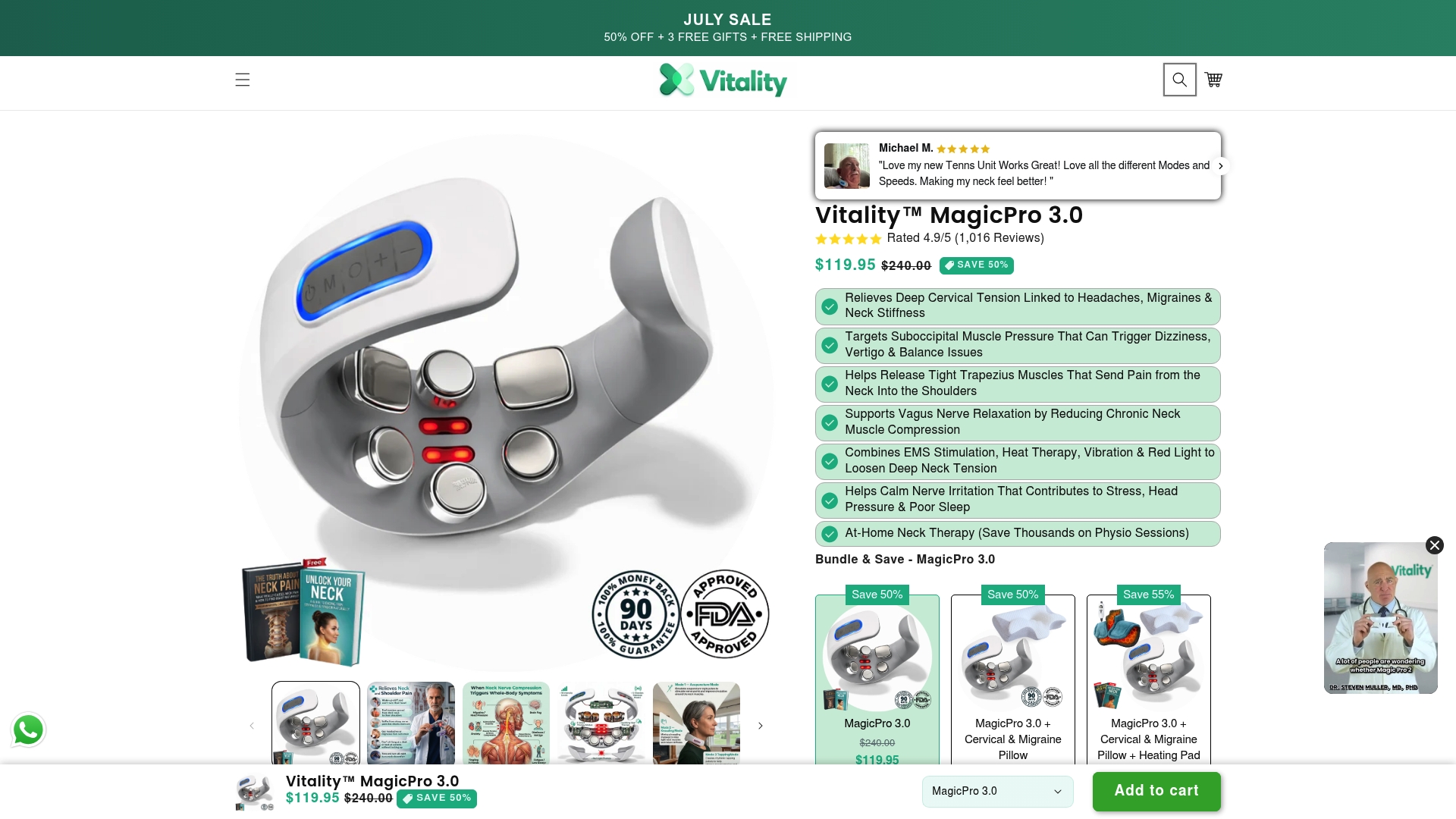
The MagicPro 2.0 applies the same physiological principles covered in this article: heat increases tissue pliability, electrical stimulation modulates nerve signals, and rhythmic pressure activates the parasympathetic response. For people managing chronic neck tension or stress-related discomfort, the neck and nerve relief collection offers a practical way to maintain the benefits of massage between professional sessions. Customers report meaningful improvement in neck discomfort and overall well-being with regular daily use.
FAQ
How does massage therapy reduce muscle tension?
Massage increases blood flow, raises local tissue temperature, and mechanically disrupts muscle adhesions. It also stimulates the Golgi tendon organ, which signals muscles to release their contracted state.
Can massage therapy reduce anxiety and stress?
Yes. Massage activates the parasympathetic nervous system and modulates oxytocin levels, shifting the body from a stress state to a calm, recovery state. Research across 88 studies confirms measurable reductions in heart rate and blood pressure following massage sessions.
How long does a massage session need to be to reduce tension?
Sessions of 16–30 minutes produce measurable physiological changes, including heart rate and blood pressure reductions. Longer sessions of 31–60 minutes provide additional benefit, but shorter sessions are effective for regular maintenance.
What type of massage is best for tension relief?
Deep tissue massage targets chronic muscle tension and myofascial adhesions most directly. Swedish massage activates the parasympathetic nervous system effectively for stress relief. Moderate pressure in either technique outperforms painful pressure for lasting neuromuscular relaxation.
How often should you get a massage for chronic tension?
A schedule of every 4–6 weeks, combined with daily self-care habits like hydration, gentle movement, and posture awareness, produces sustained tension reduction. Single sessions provide temporary relief; a consistent routine builds lasting change.