


Non-invasive therapy in sports medicine covers a set of safe, non-surgical interventions designed to reduce pain, accelerate healing, and get athletes back to full function without the risks that come with surgery. The core modalities include physical therapy, acoustic wave therapy (AWT), cryotherapy, electrical muscle stimulation (EMS), and compression therapy. Together, they address the full spectrum of sports injuries, from acute muscle strains to chronic tendon pain, by working with the body’s natural repair processes rather than bypassing them.
Key methods and their primary benefits at a glance:
- Physical therapy: Restores strength, mobility, and movement patterns
- Acoustic wave therapy: Reduces inflammation and promotes soft tissue healing
- Cryotherapy and cryocompression: Lowers swelling, soreness, and edema
- Electrical muscle stimulation: Relieves pain and re-educates muscle function
- Compression therapy: Improves circulation and reduces post-exercise fluid buildup
- Acupuncture and trigger point release: Addresses localized pain and muscle tension
- Heat therapy: Increases blood flow and prepares tissue for movement
What types of non-invasive therapies do sports medicine clinicians use?
Physical therapy remains the foundation of non-surgical sports injury care. Clinicians design individualized programs targeting strength deficits, range of motion loss, and movement dysfunction. Sessions typically run between moderate durations and progress through three phases: pain management, rehabilitation, and return-to-sport conditioning.
Acoustic wave therapy uses sound waves to reduce inflammation, improve blood flow, and accelerate soft tissue repair. Sessions usually last a short duration with minimal side effects, making it practical for athletes managing busy training schedules.
Cryotherapy and cryocompression target post-exercise inflammation directly. Research shows that combining cold exposure and compression reduces inflammatory markers, decreases edema, and improves maximal voluntary contraction in athletes recovering from intense exercise.
Additional adjunct therapies used across sports medicine settings include:
- EMS and TENS: Interrupt pain signals and stimulate muscle contractions during rehabilitation
- Biofeedback: Trains athletes to consciously regulate muscle tension and stress responses
- Acupuncture: Reduces localized pain and supports nervous system regulation
- Heat therapy: Increases circulation, eases delayed onset muscle soreness (DOMS), and prepares tissue before activity
- Aqua therapy: Offloads joint stress while maintaining cardiovascular conditioning
Treatment plans are individualized. The number of sessions, modality selection, and progression depend on injury type, severity, and the athlete’s recovery response.
What are the real benefits of non-invasive therapy for athletes?
The benefits extend well beyond temporary pain relief. A multidisciplinary non-invasive treatment protocol studied in sports and fitness medicine centers found that the majority of patients originally referred for surgery remained surgery-free over a two-year follow-up period after completing the program. Pain scores dropped significantly at each phase of treatment.
Clinical finding: A non-invasive protocol combining physical therapies significantly reduced mean pain scores from a moderate level at baseline to a low level post-rehabilitation across all treatment phases.
Core benefits for athletes include:
- Reduced pain and inflammation without reliance on medications or invasive procedures
- Faster return to sport by addressing the injury while maintaining conditioning
- Lower complication risk compared to surgical intervention and anesthesia
- Preserved tissue integrity since no incisions or structural disruption occur
- Psychological reassurance from treatments that feel manageable and non-threatening
The psychological dimension matters more than many athletes expect. Anxiety about treatment itself can slow recovery. Non-invasive approaches tend to reduce that barrier, improving adherence and overall outcomes.
How do multimodal and emerging therapies enhance sports recovery?
Single-modality treatment rarely delivers the best results. Combining modalities such as electrical stimulation, heat therapy, and exercise consistently outperforms any single-method approach for musculoskeletal pain and functional recovery. The reason is physiological: different therapies target different pathways simultaneously.
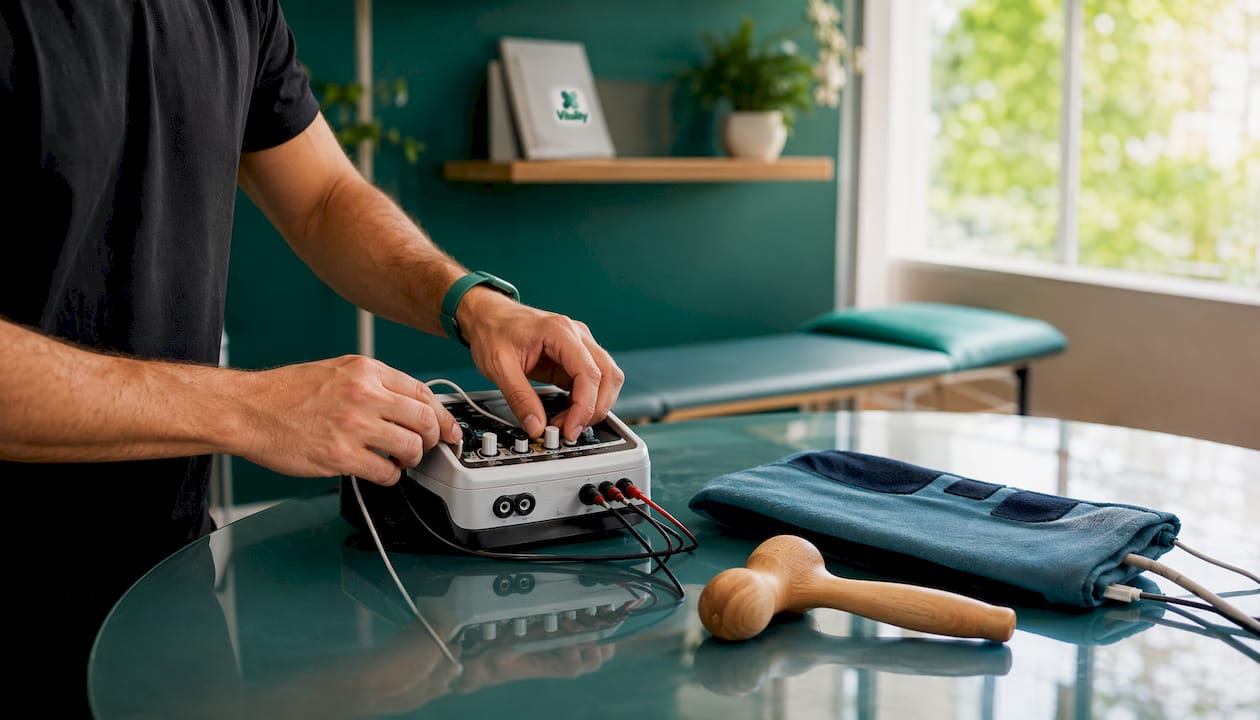
Research on autonomic nervous system modulation adds another layer. Parasympathetic stimulation through combined electromagnetic therapies helps restore physiological balance, supporting recovery beyond local muscle treatment. When the nervous system shifts toward rest-and-repair mode, the body heals more efficiently.
Emerging therapies are expanding what’s possible without surgery:
- Far-infrared therapy (FIR): A meta-analysis of elite soccer players found FIR produced the highest improvement in neuromuscular power recovery, measured by countermovement jump height
- Intermittent negative pressure therapy (INPT): The same analysis identified INPT as the most effective method for lowering creatine kinase, a blood marker of muscle damage
- Wearable therapy devices: Personalized wearable devices allow athletes to self-manage treatment between clinic visits, improving adherence when integrated with clinician oversight
- Mind-body practices: Yoga, Tai Chi, and mindfulness-based stress reduction show consistent functional improvements for chronic musculoskeletal conditions
Pro Tip: Don’t build your recovery plan around one modality. A personalized multimodal approach that layers physical, thermal, and neurological therapies addresses more recovery pathways and tends to produce faster, more durable results.
What does the clinical evidence say about non-invasive therapy effectiveness?
The evidence base is solid and growing. A systematic review of noninvasive nonpharmacological treatments covering 233 randomized controlled trials found that exercise, multidisciplinary rehabilitation, acupuncture, cognitive behavioral therapy, massage, and mind-body practices most consistently improved both function and pain beyond the treatment period. Critically, no evidence suggested increased risk for serious treatment-related harms across any of these interventions.
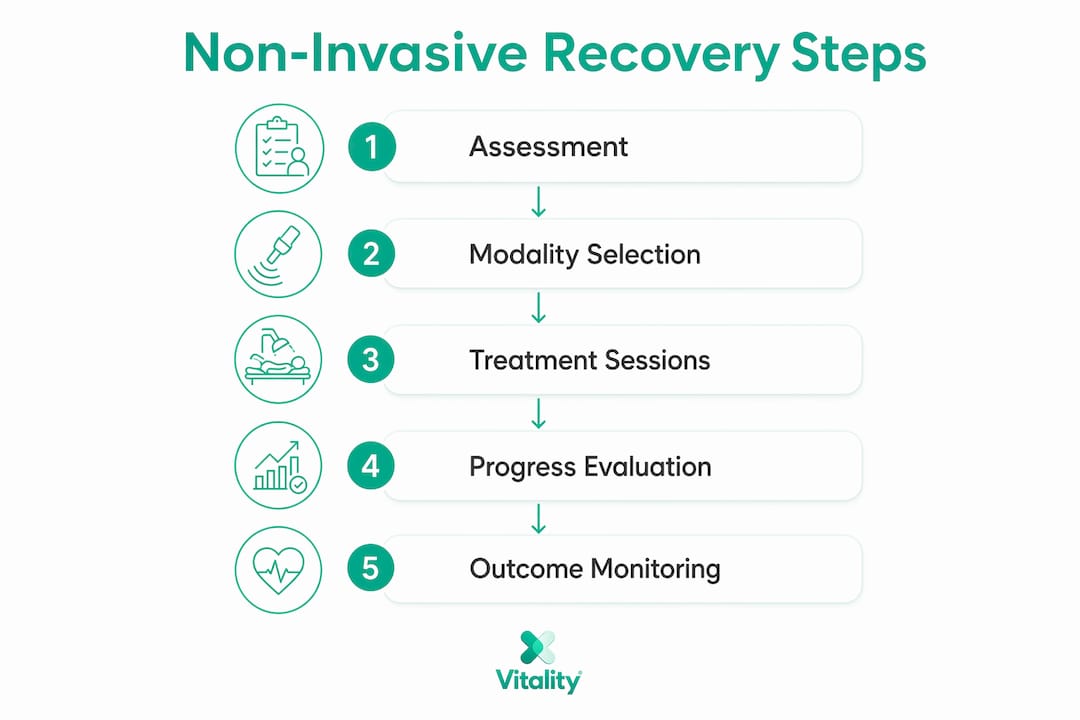
Multimodal non-invasive therapies including TENS, heat and cold therapy, massage, acupuncture, and yoga are supported by clinical guidelines for managing chronic pain safely. The consensus among physical therapists and athletic trainers, established through Delphi methodology, confirms that cryotherapy, percussive therapy, vibration, heat, and infrared light each have defined roles across preparation, acute injury treatment, and chronic pain management.
Biomarker tracking strengthens outcomes. Clinicians use objective measures like creatine kinase levels to gauge muscle damage and avoid premature return to play, since athletes often underreport pain. Combining subjective feedback with physiological data produces more accurate recovery timelines.
How do non-invasive therapy outcomes compare to surgery?
For most musculoskeletal sports injuries, non-invasive therapy delivers outcomes comparable to surgery without the associated risks. A survey conducted in London found that 81% of patients preferred not to pursue surgery for musculoskeletal pain, citing fear of complications, post-operative pain, and the perception that surgery was unnecessary. A Norwegian clinical trial postponed hip replacement surgery by up to six years through a 12-week exercise therapy program combined with patient education.
Surgery carries real costs beyond the operating room: anesthesia risks, infection potential, extended immobilization, and longer total recovery timelines. Non-invasive approaches avoid all of these while still producing statistically significant reductions in pain and functional limitations. Current treatment guidelines actively discourage surgical and invasive therapies as first-line options for most musculoskeletal complaints, recommending complementary therapies and exercise-based interventions instead.
Real-world examples of non-invasive therapy success in sports
The SPARRC Institute in India treated 909 patients referred for musculoskeletal surgery using a structured non-invasive protocol combining myofascial trigger point release, acupuncture, aqua therapy, pulsed electromagnetic therapy, cryotherapy, and exercise. Among those who completed the full program, the majority avoided surgery with a median surgery-free period of approximately two years.
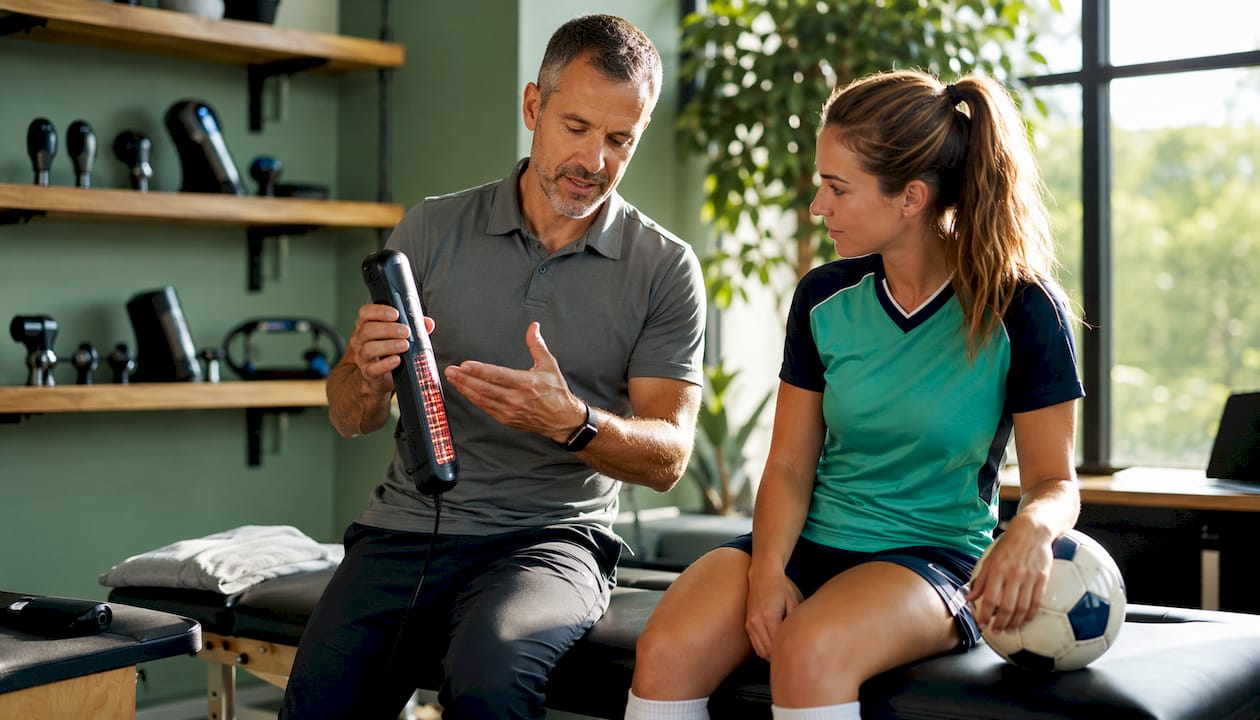
Elite soccer players in a meta-analysis showed measurable recovery improvements from far-infrared therapy and intermittent negative pressure therapy, with FIR producing the strongest gains in neuromuscular power and INPT most effectively clearing muscle damage markers from the bloodstream. These are not experimental findings. They reflect protocols already in use at professional sports organizations.
For athletes managing neck tension, stiffness, or cervical muscle pain alongside their training, wearable therapy devices that combine EMS, heat, and massage offer a practical way to maintain treatment consistency between clinic visits. Addressing cervical tension helps restore clarity at its source, and consistent daily treatment tends to produce better outcomes than sporadic clinic-only sessions.
Bring non-invasive recovery into your daily routine
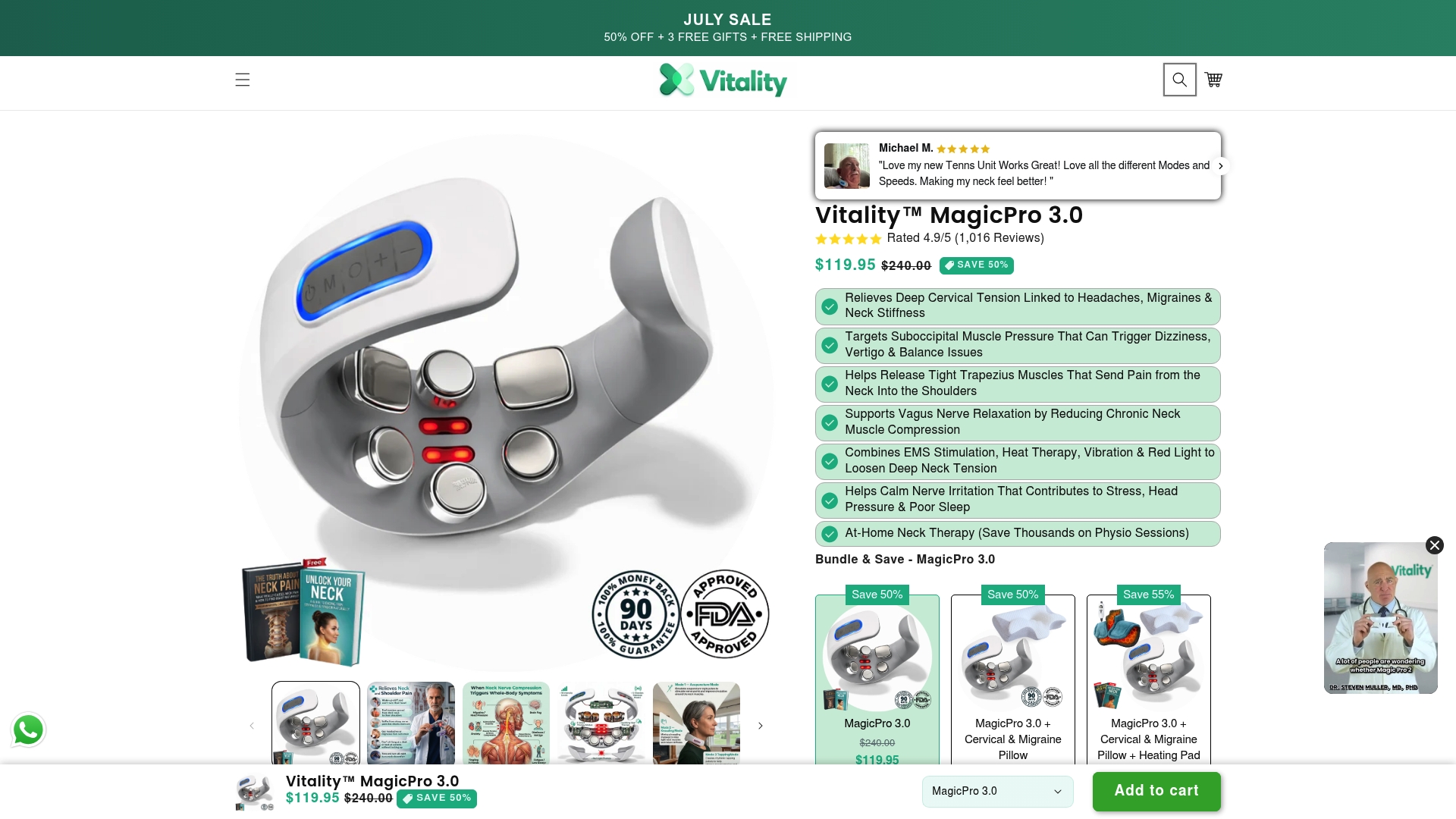
Vitalitytherapy’s MagicPro 2.0 combines electrical muscle stimulation, heat, and massage in one wearable device designed for athletes who need real relief without interrupting their schedule. Doctor-recommended and clinically grounded, it delivers 15 minutes of targeted therapy at home, at work, or on the go. Explore the MagicPro 2.0 and the full range of Vitalitytherapy devices built for active recovery.
Key Takeaways
Non-invasive therapy in sports medicine consistently reduces pain, preserves tissue integrity, and helps athletes avoid surgery when applied through a structured, multimodal protocol.
| Point | Details |
|---|---|
| Surgery avoidance is achievable | A structured non-invasive protocol kept the majority of surgery-referred patients surgery-free over two years. |
| Multimodal beats single-method | Combining EMS, heat, cryotherapy, and exercise produces better outcomes than any one therapy alone. |
| Emerging therapies show real results | Far-infrared therapy led neuromuscular power recovery; INPT best reduced creatine kinase in elite athletes. |
| Biomarkers improve decision-making | Tracking creatine kinase alongside self-reported pain prevents premature return to sport and long-term injury. |
| Wearable devices extend treatment | Personalized wearable therapy improves adherence and outcomes when used with clinician oversight. |